
The LISA Mission Homepage
LISA - observing gravitational waves in space
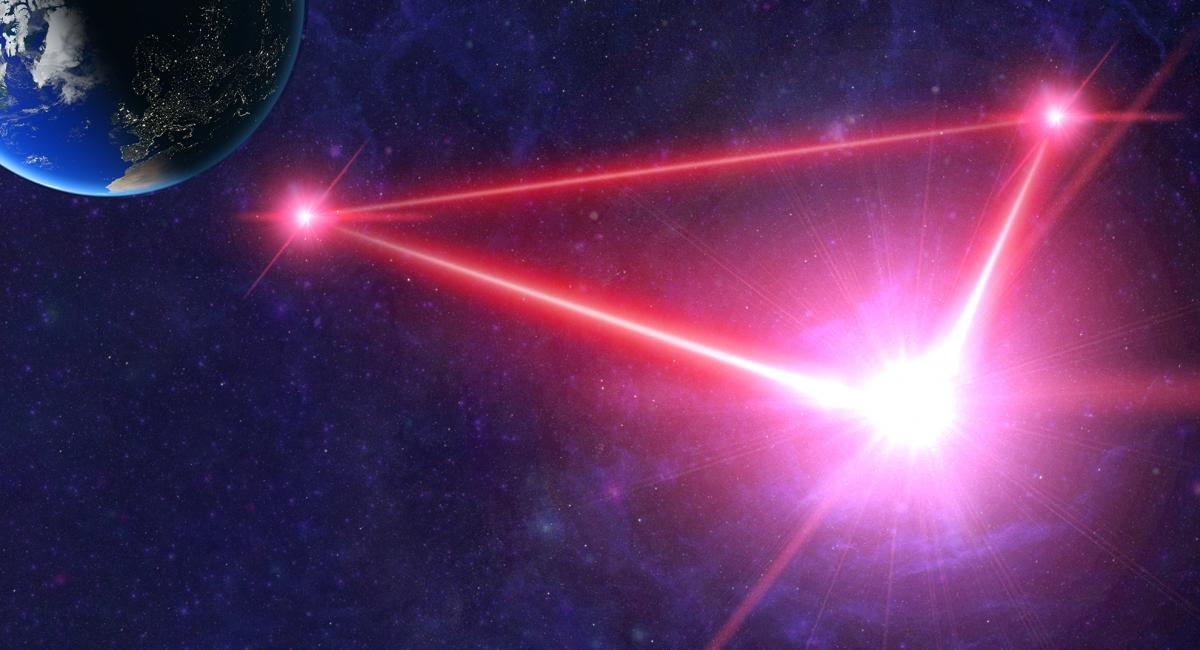
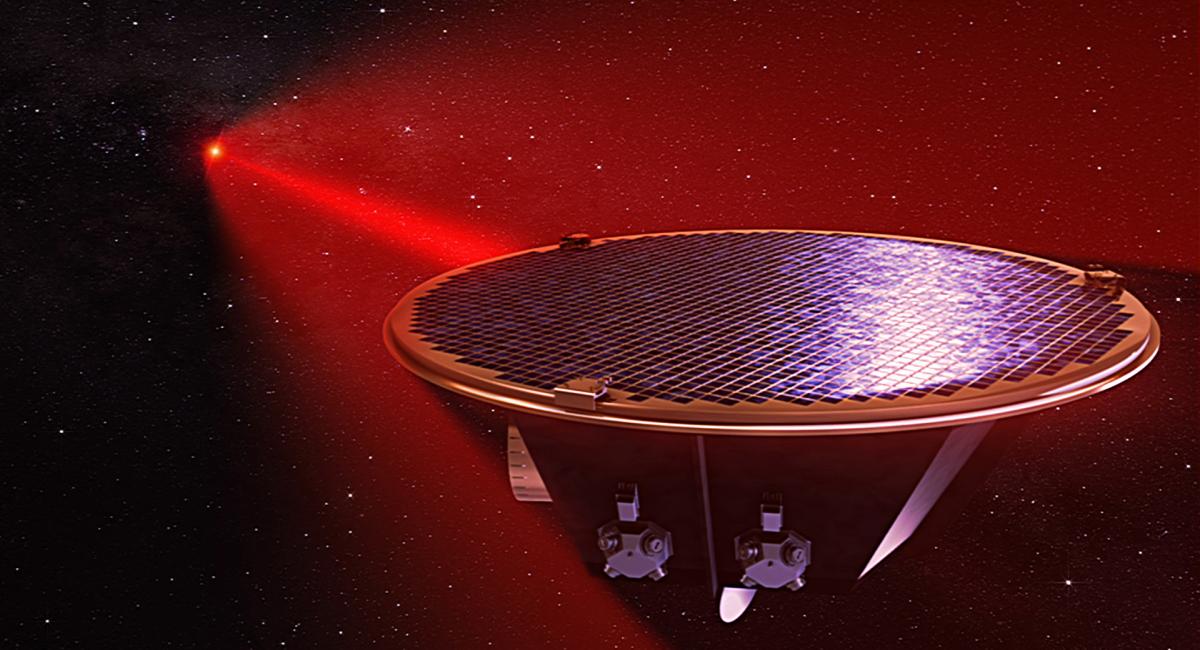
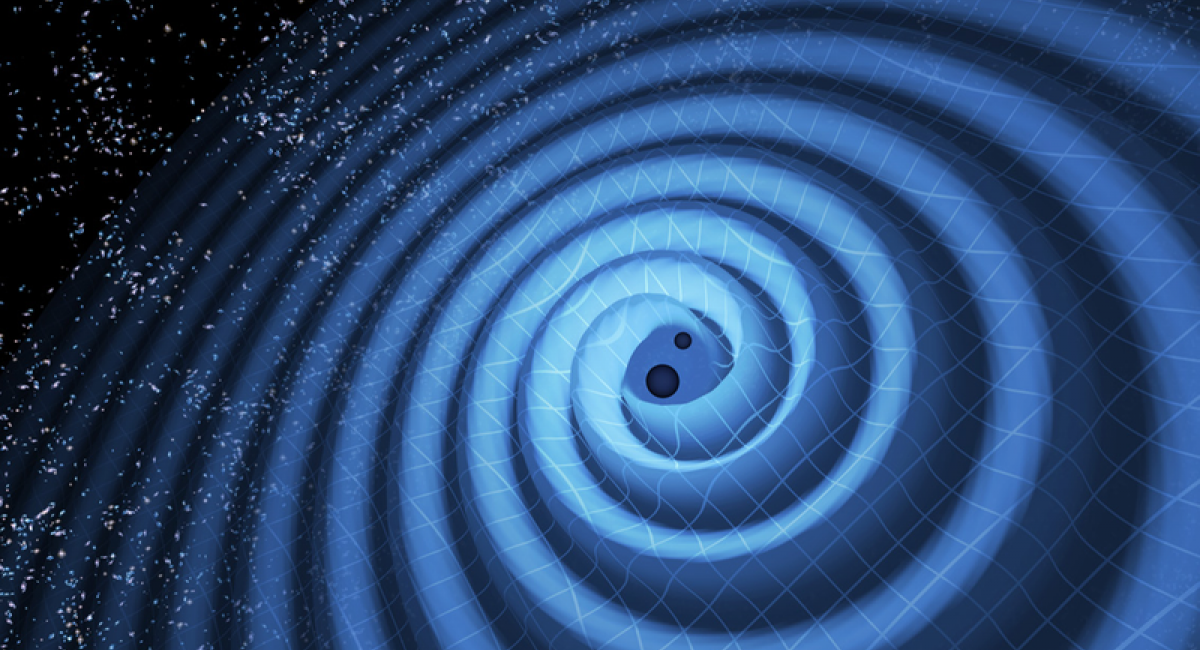
LISA will be a large-scale space mission designed to detect one of the most elusive phenomena in astronomy - gravitational waves. With LISA we will be able to observe the entire universe directly with gravitational waves, learning about the formation of structure and galaxies, stellar evolution, the early universe, and the structure and nature of spacetime itself.
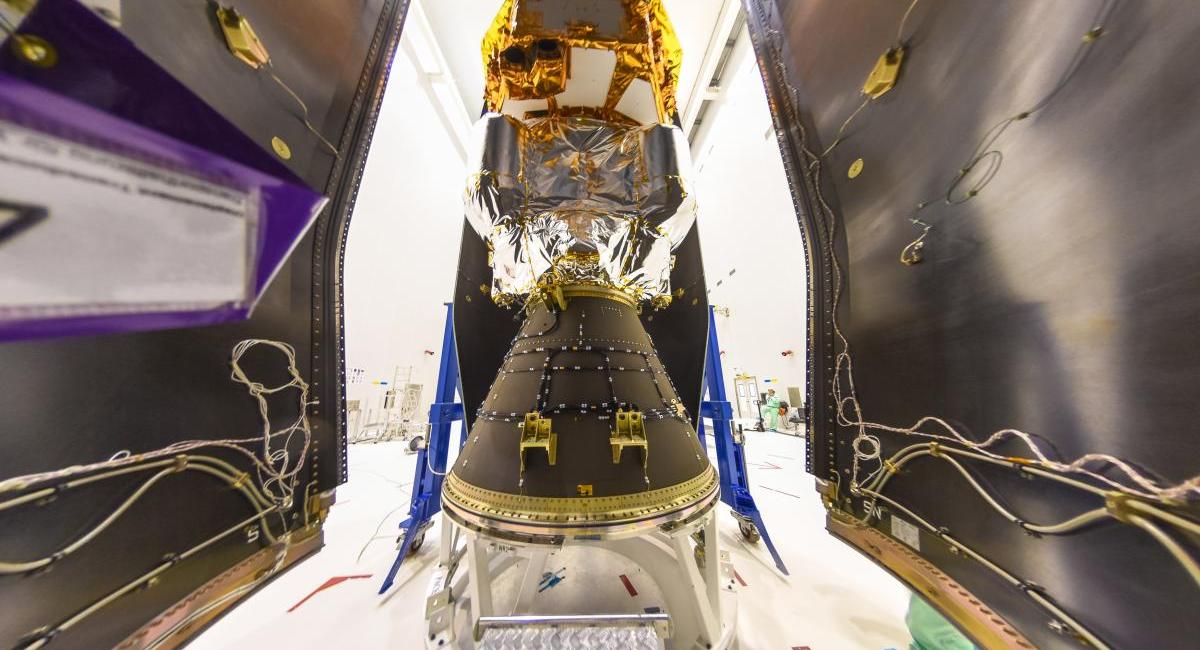
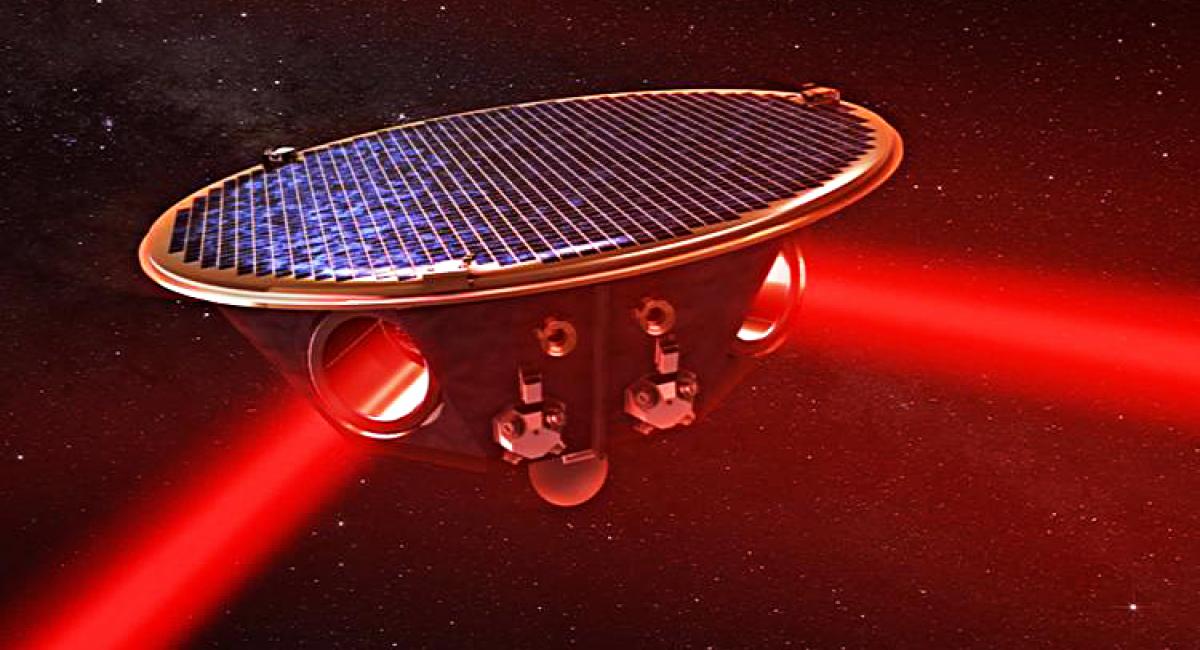
The LISA Pathfinder Mission successfully paved the way for the LISA mission by demonstrating the key technologies for a large gravitational wave observatory in space. The results show that LISA Pathfinder is working to a precision better than required for LISA. The LISA Pathfinder mission was launched on 3rd December 2015 and ended in July 2017.